Archive for the 'Uganda' Category

In Review: Our Top Ten

Theresa October 13th, 2009

Though narrowing a year’s adventure down to pick out our top ten experiences is a nearly impossible task, we tried to do it anyhow. After all, it seems to be what everyone most wants to know. So here it is, the ten experiences we most loved, ordered not by rank but in the order in which we did them.

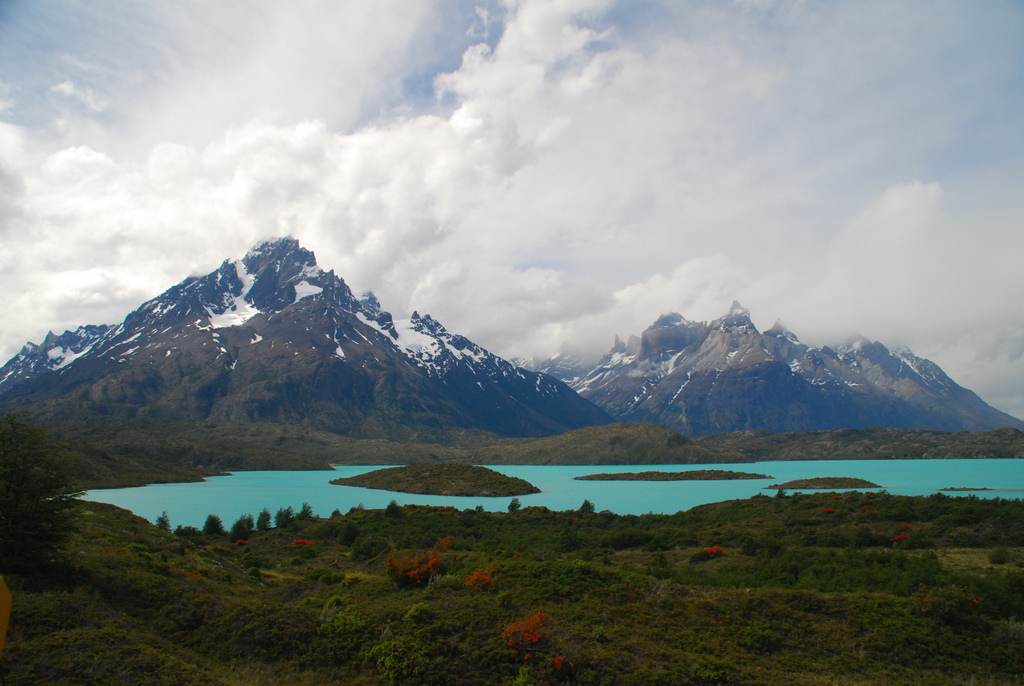
1. Hiking Torres del Paine

View on Day 1 at Torres del Paine

Of all the landscapes we saw on our trip, I think the mountains of Torres del Paine were the most majestic. The sheer beauty of this place was breathtaking for each and every moment of the four days we spent hiking the W.

2. Traveling the Inca Trail to Machu Picchu

Broad View of Machu Picchu

Machu Picchu itself is mindboggling and not just because of the altitude. The amazing architecture and well-preserved state of this city in the sky wowed us. But what made seeing it really special was the intense three days of hiking through the Andes that we had to do to reach it. We also got to enjoy the company of my brother Gregory on this part of the adventure.

3. Cruising the Galapagos

Jeff Hanging out with a Seal on the Galapagos

This was eight days of pure bliss. From swimming with sea lions, sharks, and penguins, to laughing at the antics of blue-footed boobies, to marveling at the beauty of the natural landscape, to watching the stars rise from the deck chairs of our catamaran, our experience in the Galapagos was top-notch. It was far and away the most budget blowing of our adventures, but it was worth every single penny.

4. Living it Up in Buenos Aires

Mmm Steak

An apartment in a nice neighborhood, big steak dinners, ice cream every day (at least once), and a visit from my parents…our stay in Buenos Aires was like a vacation within a vacation. The city is vibrant and easy to get around with great architecture and atmosphere and tons to do.

5. Going on Safari in southern Africa

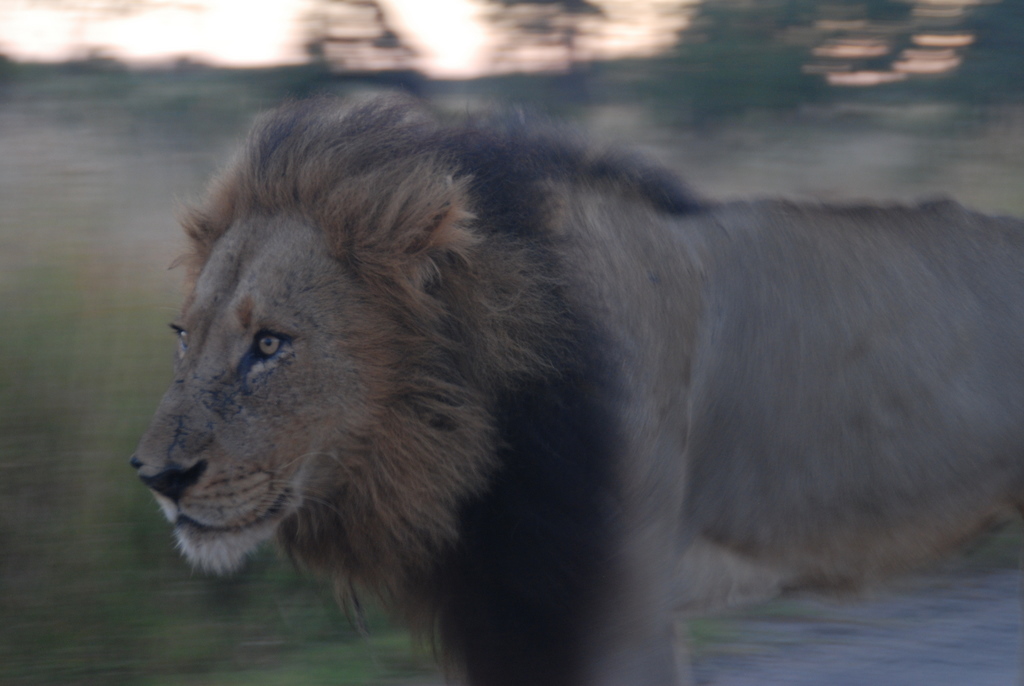
Lion Passing by the Car

We saw our first lion in Kruger,  got up close and personal with rhinos in Hluhluwe Imfolozi, encountered more elephants than we could count in Addo, found a few new species at Mountain Zebra, and became king of cheetah spotting in Etosha. We did a lot of safari-ing and never once got tired of it. In fact, I’m ready to go again.

6. Seeing the Surreal Landscapes of Namibia

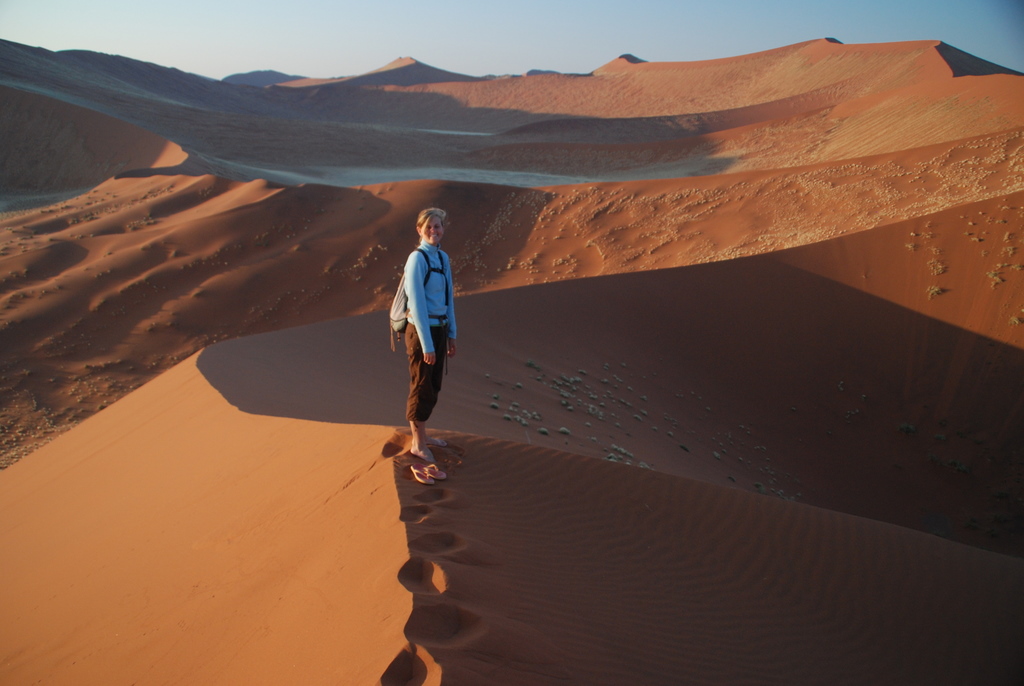
Atop the Dunes in Namibia

Namibia might not have many inhabitants but they sure do have impressive landscapes. At Fish River Canyon, in the Quiver Tree Forest, atop the red dunes of Sossusvlei, in the forests of Naukluft, or along the Caprivi Strip, we were pretty much constantly snapping photos.

7. Meeting the Lovely People of Likoma Island

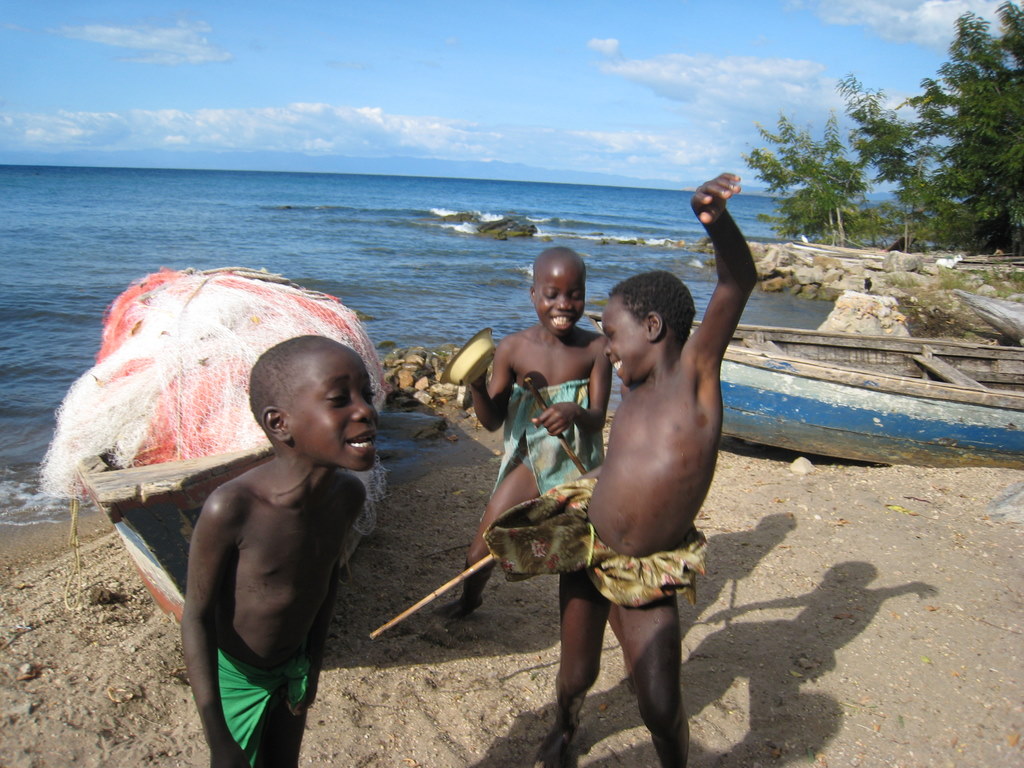
Joy on Likoma Island

Until we ended up there, Likoma Island was never even on our radar. Malawi was supposed to be more of a pitstop on our way up east Africa, but it turned into one of our favorite spots. There’s not a lot to do on Likoma Island besides lounge on the beach and enjoy the turquoise waters of Lake Malawi, but the people are among the most friendly, welcoming, and fun loving that we met on our journey. I think we wore a constant smile the entire week we were there.

8. Trekking with Uganda’s Mountain Gorillas

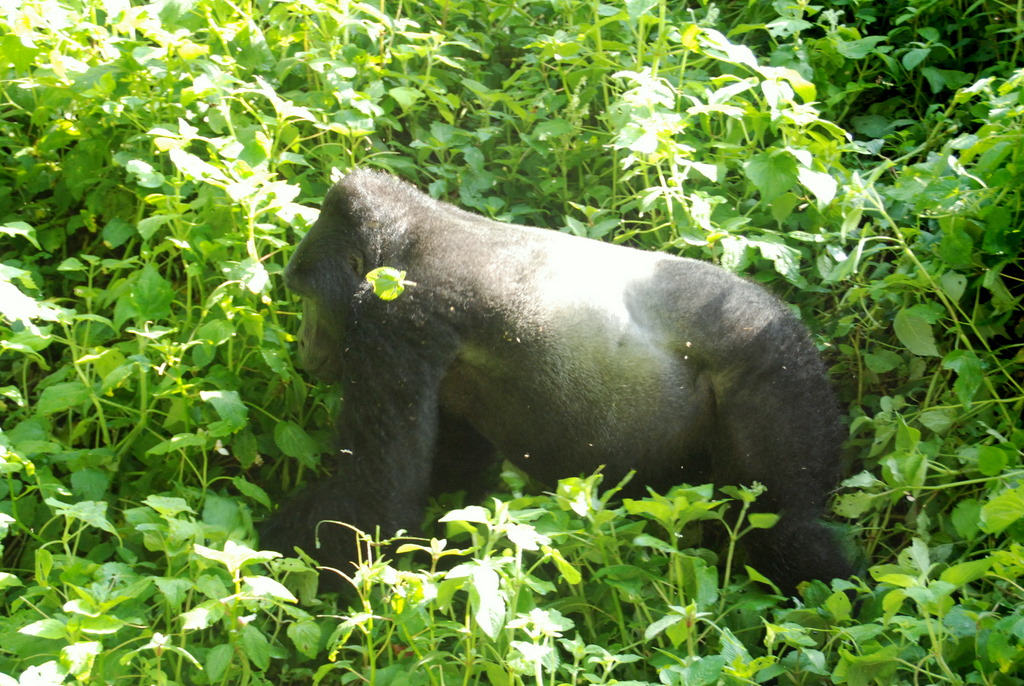
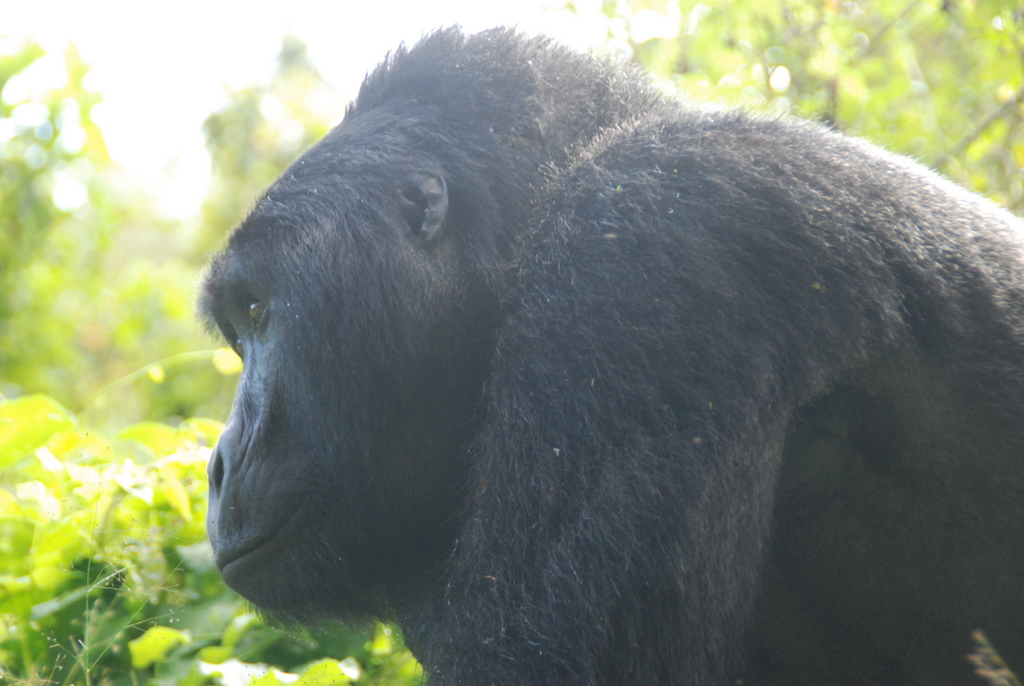
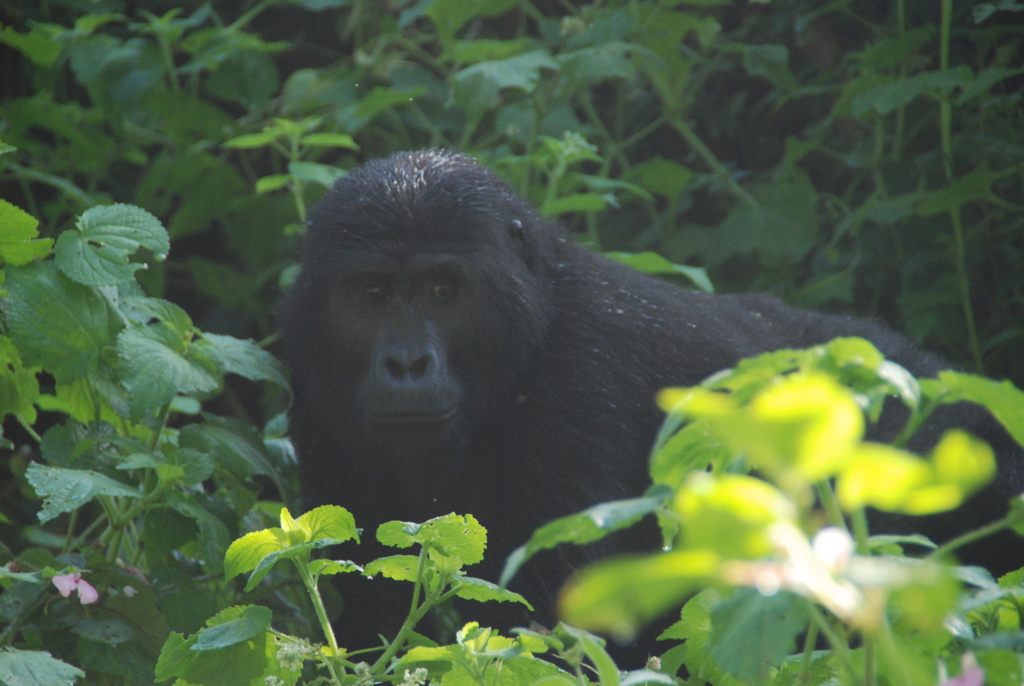
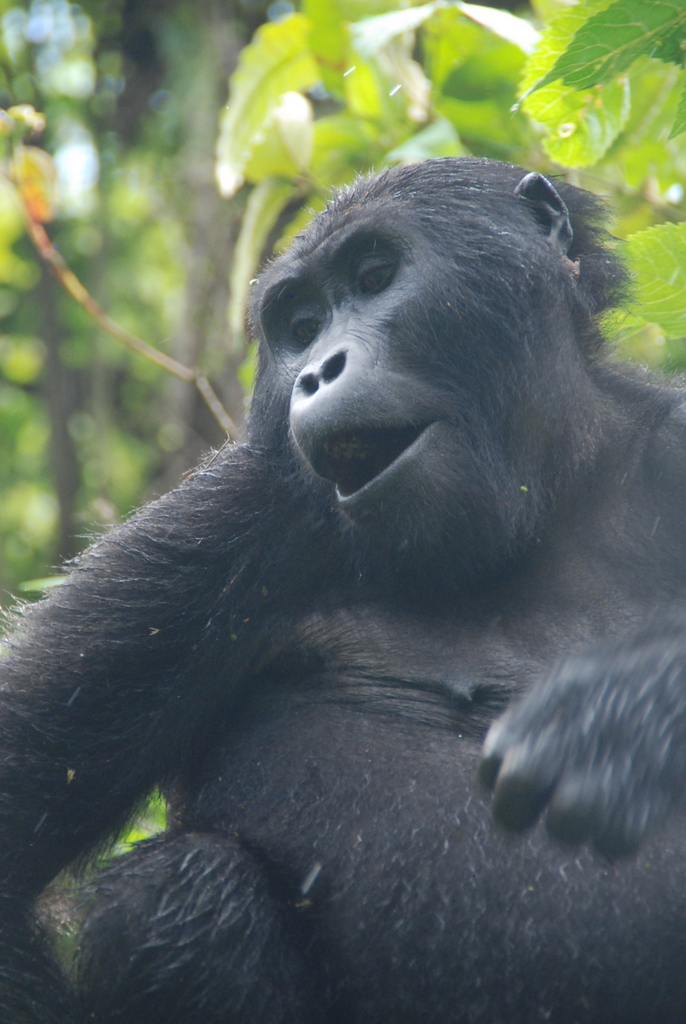
Gorilla in the Forest

Bwindi Impenetrable Forest is not a misnomer as trekking through the dense forest is not easy, but every step is worth it for the opportunity to spend one hour in the presence of mountain gorillas. These magnificent creatures left us all awestruck. They are impressive in size, in expressiveness, in the way they reflect so much of us and we of them. Another pricey experience, but again worth every penny. Plus we had the good fortune to get to share the experience with Jeff’s parents and sister.
9. Learning to Scuba Dive

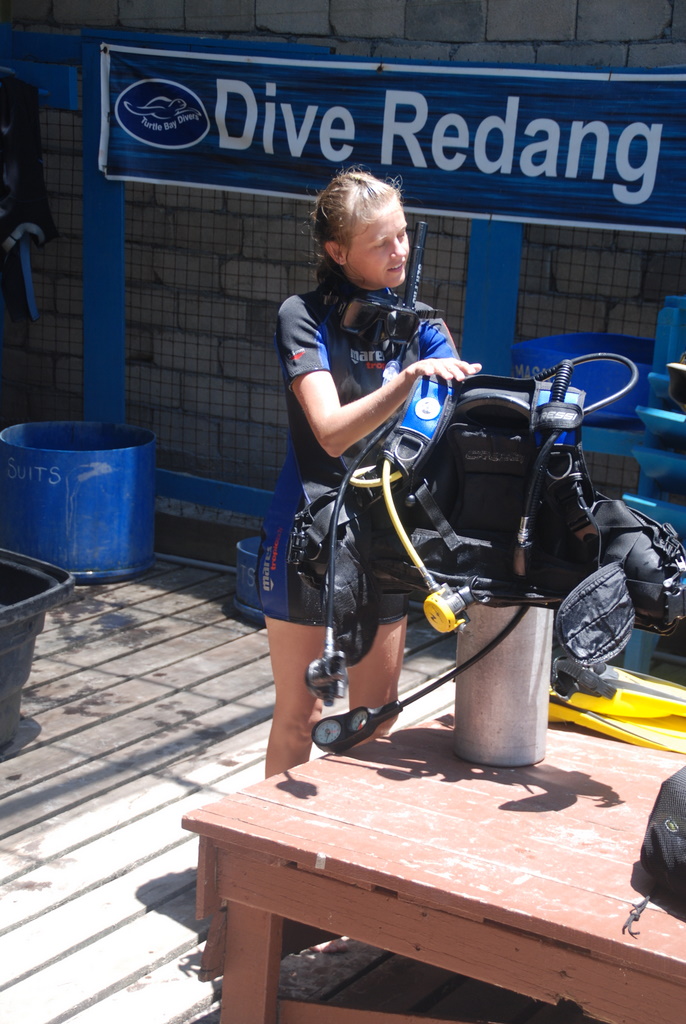
Theresa After a Dive

Experienced scuba divers claim that once you start, you can’t stop, and they know what they’re talking about. We’re already addicted and can’t stop thinking about when and where we can next dive. Take any of the underwater shows you’ve ever seen and multiply the magic quotient by 100. It’s that good.

10. Exploring Rajasthan

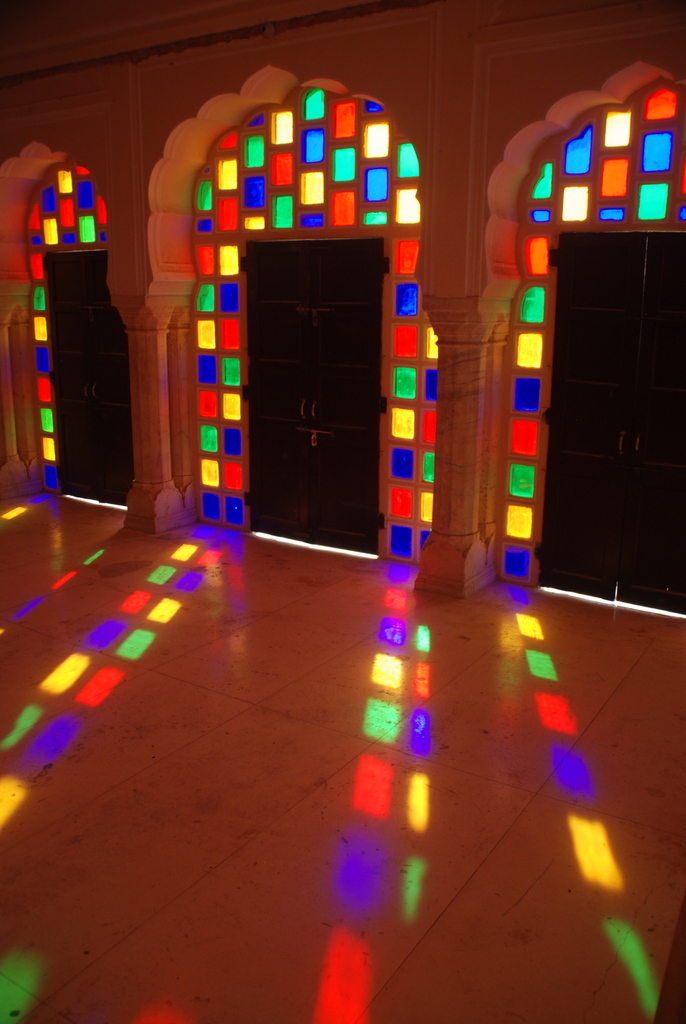
Colorful Rajasthan

India was tough, but we did greatly enjoy our foray into Rajasthan. The forts, palaces, and heritage hotels preserved fantastic architecture and the feeling of glory days now gone. Though hassle was still present, it was low in comparison to other parts of the country, and we met some very friendly and interesting locals. This seemed to be the India of lore.

Rafting the Nile

Theresa June 16th, 2009

It would have been better to just put me into a boat, push me away from the bank, and send me coursing down the white Nile toward the grade five rapids that make Jinja, Uganda one of the most exciting places in the world to whitewater raft. Giving me time to think about putting myself at the mercy of a raging river is not a good idea. I’m a worrier. And I’m a reader. That’s not a good combo, especially when the things you find to read about rafting the Nile talk about how many times the raft flipped over, about being trapped under the raft with the waves washing up and over you, about feeling your lungs about to burst as you’re swept underwater for five or six seconds at a time, about being warned not to fall out of the left side of the boat at one set of rapids because you’ll end up on the rocks…

Suffice it to say I didn’t sleep much the night before our rafting trip. I was too busy seriously reconsidering whether I actually wanted to do it. But when morning broke, I got up, got dressed, and boarded the shuttle that would take us to the Nile River Explorers site. I knew I’d regret not going. And I knew if I didn’t go, I’d probably be more worried as I spent all day wondering what the heck was happening to Jeff. It would be better to just witness it all in person.

But they weren’t about to make it easy on me. In addition to the two hour ride from Kampala to Jinja, I also had an additional hour to sit around, think about what the heck I was doing, and watch a video of a raft flipping time and time again as we waited for another group to arrive at the site. Seriously, could you just put me on the raft and in the water?

Finally, they did just that, launching us at a deceptively calm and peaceful site where the seven of us crazy people in our boat could learn from our even crazier guide how to front paddle, back paddle, hold on (for small rapids), and get down (for big rapids). Then, as we approached the first small rapid, we got a taste of what it would be like if the boat flipped, as we all moved to one side of the boat and purposely sent ourselves somersautling backwards into the water. I came up sputtering, trying to catch my breath between waves, practicing the crucifix position in which you float downstream with your feet high up and in front of you in the hopes of avoiding any real collisions with rocks. I came up with a bit of a fat lip thanks to someone’s flying paddle. And I came up wondering if maybe they could just let me swim to shore and walk back to the campsite where I could meet everyone later. What the hell was I doing? I am a girl who likes to be in control, and in an inflatable raft in the rapids of the Nile, you’re anything but in control.

I’ve rafted before. This wasn’t a first, and I knew that the fear was part of the thrill, but I still wasn’t sure I was up for it. Last time I’d rafted was in the Grand Canyon, where the rafts were much sturdier, where I didn’t have to paddle but instead held on for dear life while our guide used oars to row us through the rapids, and where our old-hand guide seemed a bit less crazy than the Aussie directing us on the Nile. Though technically in the same category, the experiences weren’t going to be quite the same. I’d also never met a Grade 5 rapid before, the highest grade of rapid considered to be navigable in a raft.

Luckily once on the water, there isn’t too much time to think. After passing through a few riffles, the first real rapid you meet is called 50/50, its name an indicator of your chances of making it through this Grade 3 Rapid without flipping. Let’s just say we were on the losing end of that wager. With the first coming together of waves, the left side of the boat was tossed into the water. With the second wave, one person from the right side was tossed. That left just me and another girl Dierdra hanging on for dear life, the boat pretty much on its side. And we really didn’t have a chance. With the third and final wave, the boat flipped, dunking us into the fortunately quite warm water of the Nile. The two of us plus the guide were able to hold onto the boat and ride it through the rest of the rapid. One other person was able to grab back on after being tossed and ride with us. The other four paddlers, including Jeff, had been picked up by the safety kayakers and transferred to the safety raft, from where we picked them up once we were back in calm waters and had managed to flip the boat upright.

Though it wasn’t quite the start I had hoped for (I’d been hoping to not end up in the water at all), it was probably the start I needed. I’d survived. It wasn’t that bad. The fear of the unknown was no longer hanging over my head, and for me, that is the worst fear.

Baptism by fire is the name of the game on the Nile as our next rapid was to be the biggest of the day, a Grade 5 rapid called Silverback. We were to paddle to the precipice, and then at the command of “Get Down” we were to squat into the boat, face outward, and cling to the rope. Slam, we hit the first wave, water rushing into the boat and washing over all of us, but not yet ripping any of us out. Slam the second wave followed immediately, slamming us around but not getting permanent hold of any of us. We were almost through. Apparently some people thought we might just make it. I wasn’t thinking at all, just holding on. But in the end it was all futile. Wave three grabbed us and flipped us upside down sending each of us scattering in different directions. No one managed to hold on to the boat this time. Luckily we were through the worst of it and there were no massive waves waiting to drown us, just lots of medium waves stealing our breath for snatches at a time. Over the sound of the waves, I could hear a safety kayaker yelling “Feet up! Feet up!” and so as a current pushed me right past Jeff (both of us with it enough to say hello and make sure each other was okay) and towards the rocky shoreline, I got into the crucifix position and used my feet to push off the big boulder in front of me and redirect myself back towards the center of the river and the calm pool awaiting at the end of the rapid. There, the boat floated, still upside down, and I, followed right away by Jeff, was able to grab on and hold on until it was time to flip it back over and get back in. A tiny scratch on my ankle was the only battle wound I had to add to my fat lip. Not too bad.

And after that, well things were smooth sailing. We managed to keep the boat upright and intact over waterfalls and through raging rapids, though there were a few close calls and we certainly had plenty of waves wash over us. In fact, at an optional rapid called Chop Suey, which our boat chose to brave while the other boat bypassed it, a gigantic wave washed over the boat, pretty much sinking it for a moment. I was so surrounded by water that I couldn’t tell if I was actually in the boat or not until it popped back up and I felt the plastic of the raft under my butt. The strange thing was that although I had been in the third position when we entered the, I was now in the first. The two people in front of me, Jeff and Dierdra, had borne the brunt of the wave and been washed overboard, though both managed to hang on, and we easily pulled them back aboard.

The worst part of the remaining trip, which was about 5 hours in total, were the calm, empty stretches in the middle where you could lay back and relax or get out and swim. It wasn’t that there was anything scary here–no crocodiles that we saw–but the calm gave time for the anticipation to build. When rapid follows rapid, you have no time to think. You just act. You forward paddle and back paddle as told. You hold on and get down. You swim and gasp for breath and try to avoid rocks. But in the calm periods, where you can only hear the rapids building up in front of you, you have plenty of time to imagine the possiblities.

Fortunately, none of the imagined possibilities became realities. Though the Grade Five rapids of the white Nile are some of the biggest in the world, it’s actually a very safe trip, as the water is deep and the rocks are relatively few. Plus the safety kayakers are so bad ass that they’d have you out in a second if you really needed a rescue. It’s a thrill though, a mix of fear and exhiliration. And in the end, when you make it through the final rapid, which is named “The Bad Place,” with only a few small battle wounds, one missing contact, and a body thoroughly exhausted, you think that given the chance, you’d definitely do it again…though you’d still prefer to just be thrown in the boat and sent downstream, without even a second to think about it.

A Ugandan Safari

Theresa June 14th, 2009

When it comes to going on safari, not too many people think of Uganda. There’s good enough reason for that; Uganda is no Kenya or Tanzania, no South Africa or Namibia. It’s highlight is its gorillas, not the typical safari animals. If you’re planning a once-in-a-lifetime safari adventure, I wouldn’t advise making Uganda your destination. But if you’re in Uganda for some other reason–to see the gorillas, raft the White Nile, enjoy the lush green landscape, or spend time with the friendly people–then you ought to take a few days to enjoy a Ugandan safari in their prime reserve, Queen Elizabeth National Park.

You’ll miss some of the typical animals. Due to a case of rinderpest that struck in the early 1900s, there are no zebras, giraffes, and wildebeests. As you usually see these in great abundance, their abscence was, at least for us, quite striking. You also won’t find rhinos, which I believe were pretty much poached out of existence. And you won’t find cheetahs stalking across the plains, though I’m not sure whether their absence is due to disease, poaching, or simple geographic issues.

You will, however, find heaps and heaps of antelope, most notably waterbuck, Uganda kob (their national animal), and tobi. You’ll also find elephants, large herds of Cape buffalo, and leopards (but only if you are much luckier than we are). All cool for sure but not really worth going out of your way for.

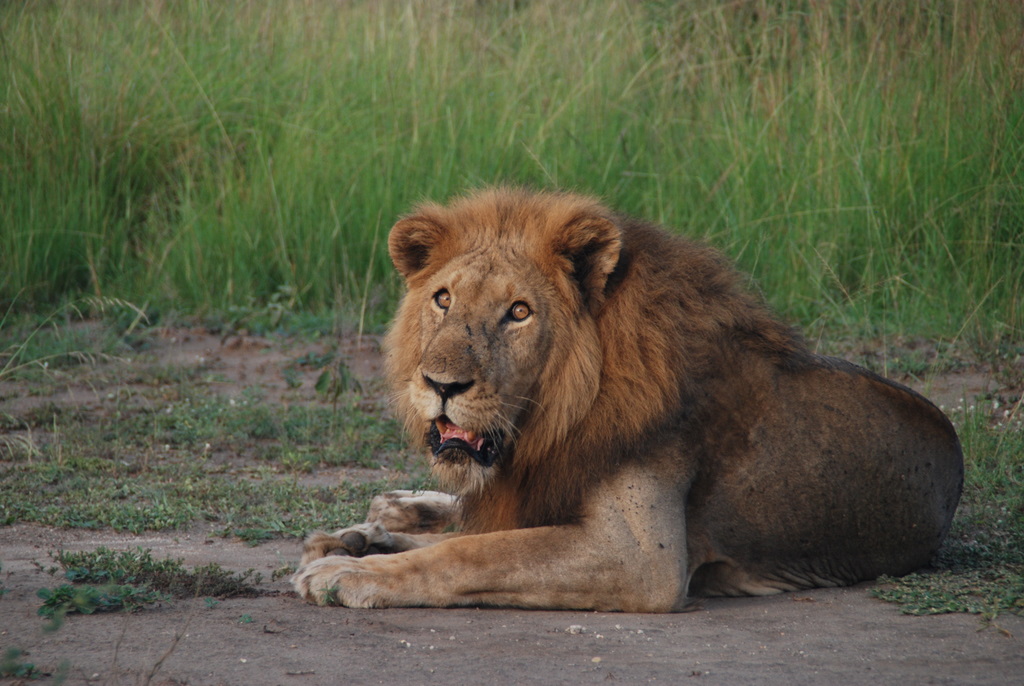
But if you like lions, then Queen Elizabeth National Park should be on your list, as we saw many. One morning we observed a group of female lions with their cubs, while the next morning we were treated to a large male lion lying right next to the road.

Male Lion by Roadside

Best of all, however, are the park’s famed tree-climbing lions. Though no different genetically from any other lions in Africa, these lions, which live in an area populated with easy-to-climb fig trees, have developed the behavior of resting in trees during the day. (Or at least the females have; the males are too heavy and remain in the thickets at the base of the trees.) Located exclusively in the Ishasha section of the park, an area a bit off the beaten track, the lions are an unusual treat, and we were lucky enough to spot two lazing in a tree, seemingly without a care in the world and without even the slightest bit of interest in us.

Tree-Climbing Lion

If primates are more your thing, the park is also a prime destination. On guided chimpanzee walks, you can descend into a lush gorge and track down our closest ancestor. You’ll probably find them high above you in the trees, but sometimes they scamper down and share the path with you.

Chimps in a Tree    Chimpanzee

You may also spot baboons, colobus monkeys, and a variety of other species. And since the paths you are walking are actually animal tracks, you could come across pretty much any other animal that lives in the park. Though we saw hyena and lion dung, we only actually spotted a few elephants making their way down to the water as well as a school of hippos.

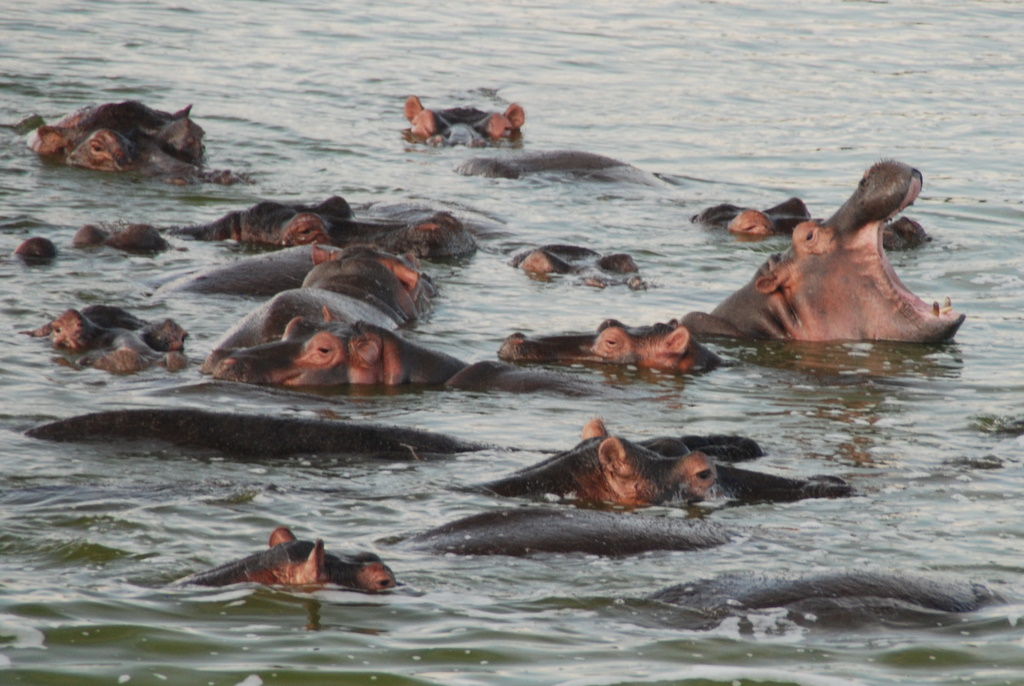
Speaking of hippos, they gather in great abundance in the channel that runs through the park, connecting Lake Edward and Lake George. On a boat ride down the water, you’ll catch hippos barking, hippos yawning, hippos exhaling, hippos lumbering, and hippos doing pretty much anything else that hippos do. You’ll also spot zillions of birds as well as a few small crocs and some buffalo. And if you’re lucky, perhaps the bare bum of a local bathing just a few meters away from a hippo!

Hippo Yawn   

If you don’t want to take a boat ride but want to get up close and personal with a hippo, then just plan to have dinner at the lodge. As the sunsets the hippos waddle out of the water and plant their enormous selves on the lawn, which they very kindly mow each evening. It’s a charming way to end the day at a park that isn’t quite top-of-the-list but is quirky and fun and boasts a few features that you’ll be hardpressed to find elsewhere.

Gorillas in our Midst

Jeff June 11th, 2009

There we stood, at the edge of the impenetrable forest. We knew the gorillas were in there, and had been told they were quite close. And so we plowed on.

Approaching the Impenetrable Forest

And while Bwindi Impenetrable Forest did prove to be mighty difficult to penetrate, the gorillas were nice enough to stick quite close to the edge. Within fifteen minutes, we found them feeding on leaves on a steep hillside, the sun shining brightly behind them making visibility poor. But after a few minutes fraught with fear that they wouldn’t move for the whole hour, the whole group, led by the silverback, paraded out in front of us and down a creek bed.

Silverback

Baby and Mother

Baby Peeking at the Visitors

For the next hour, they meanered around hills, many times walking right in front or behind us. It was simply magical and amazing.

Baby Getting a Piggyback Ride

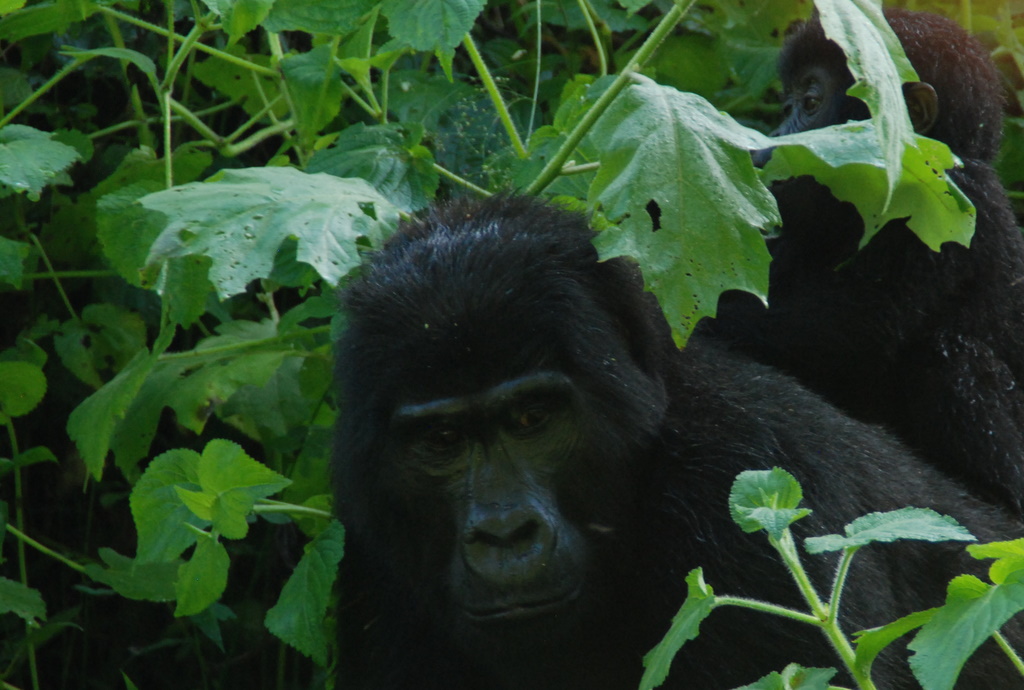
Gorilla Close-Up

And the expressions on their faces and their eyes were just so … human. 

Hello!

Blackback Watching Us Silly Gorilla

Gorilla Peekaboo

Majestic creatures, without question. And an amazing experience, totally worth the high price. Especially when you consider that this price is what protects these animals and their environment.

Silverback Feeding